

Motiva Breast Implants
Serving patients in Huntington Station & Suffolk County, NY

Serving patients in Huntington Station & Suffolk County, NY
The right amount of fullness is personal. Restoring volume after pregnancy, creating a softer curve, or bringing your breasts into better balance with your frame can each call for a different approach. What matters is being able to describe the change you want and understand what’s possible for your body.
At her Huntington Station practice, Dr. Charlotte Ann Rhee helps you work through those choices. Motiva breast implants offer options for a fuller, rounder contour or a softer shape that responds to movement. Together, you’ll explore how those options fit your proportions, with time to discuss your preferences and ask questions.

SmoothSilk® Round and SmoothSilk® Round Ergonomix® silicone gel implants.
Adding fullness, restoring lost volume, and improving mild differences in breast size.
Breast augmentation takes about one to two hours; a lift or revision can add time.
Allow about one to two weeks to ease back into daily routines. Exercise and heavy lifting need more time.
Implants require ongoing follow-up and rupture screening. They are not lifetime devices.
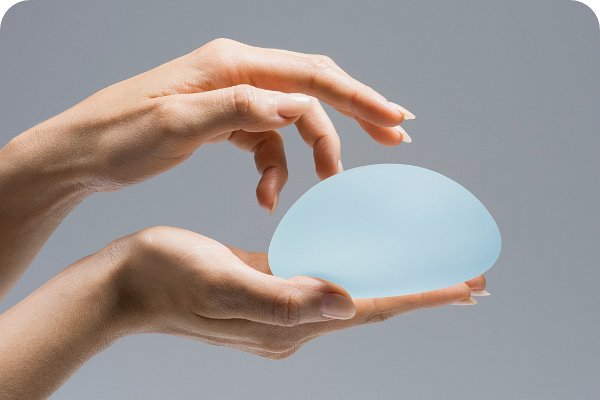
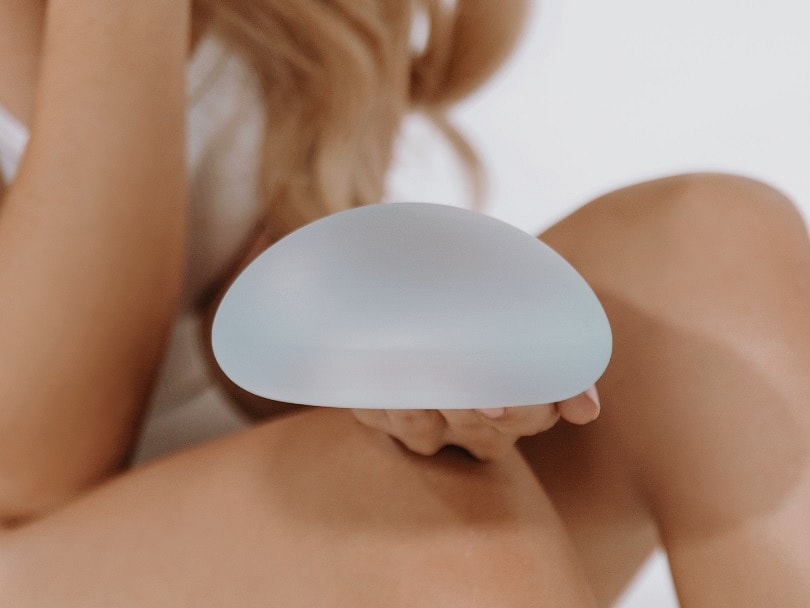
Motiva breast implants have a silicone shell filled with silicone gel. They offer ways to add breast volume and choose how soft or full you want your results to be. SmoothSilk Round and SmoothSilk Round Ergonomix implants were approved by the FDA in September 2024 for both first-time and revision breast augmentation in women 22 and older.
If you’re thinking about breast augmentation, Motiva is one of the options you can talk about with Dr. Rhee. You’ll also decide on the size and how much the implant projects forward. These choices, along with where the incision is made and how the implant is placed, all help shape your final result.
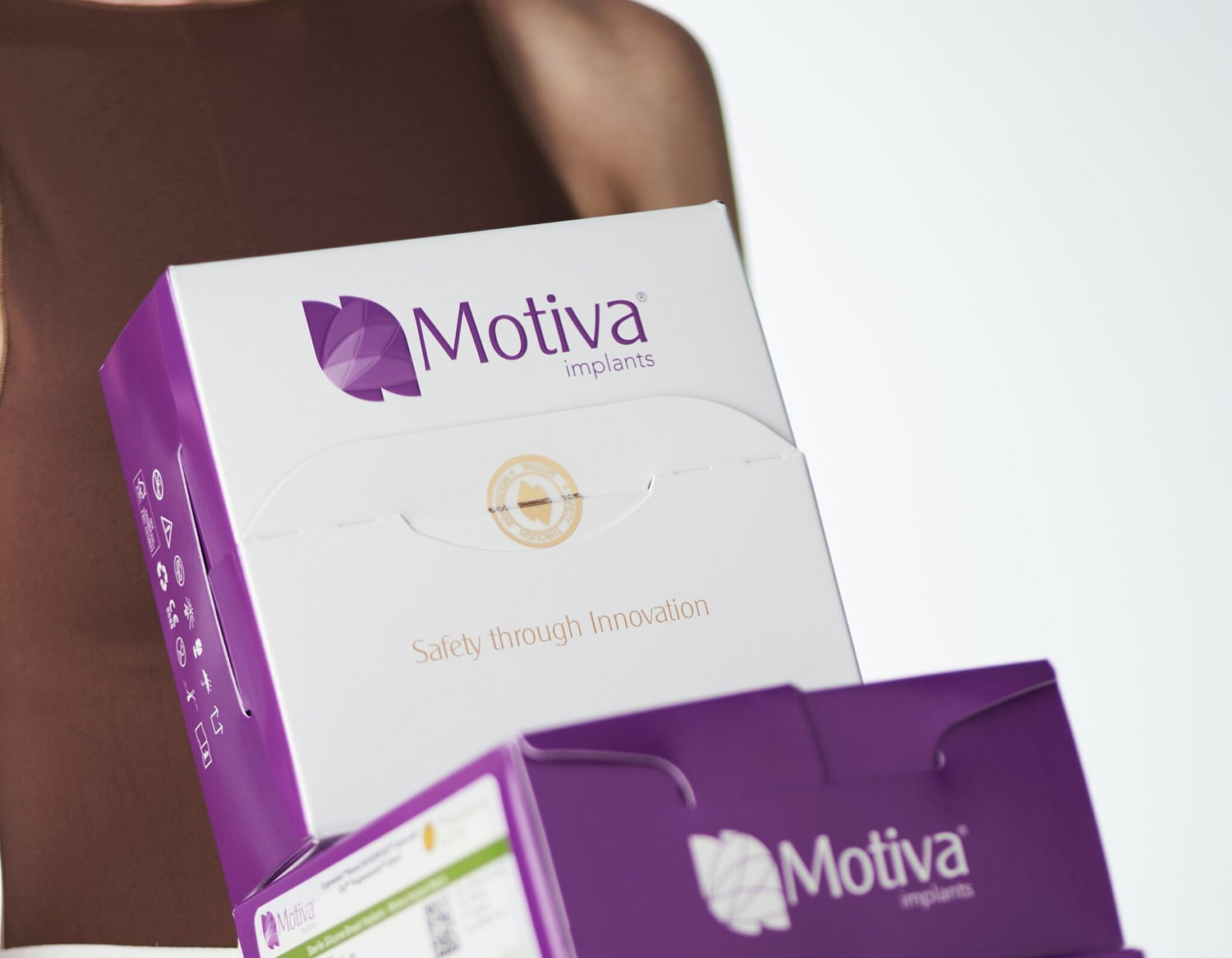
Motiva Round implants use ProgressiveGel® Plus, a cohesive silicone gel that supports upper-pole fullness, or volume in the upper part of the breast. If you like a rounder contour with more volume above the nipple, this may be the look you have in mind.
Ergonomix implants use the softer ProgressiveGel Ultima® formulation. The implant has a round base, but the gel responds to your body position, creating a more sloped, teardrop-like appearance when you're standing and a rounder shape when you're lying down. It isn't a fixed teardrop-shaped implant. How each implant looks and feels also depends on your own tissue. If your tissue is thinner, the edges of the implant might show or be easier to feel, even with a soft gel. Having enough tissue over the implant helps it feel more natural. Dr. Rhee will think about this when helping you choose the right size and placement.
Motiva’s shell and gel design affect how the implant feels, moves, and looks. Here’s what those differences mean for your choice.
SmoothSilk is Motiva’s specially designed smooth surface for implants. It’s different from the rougher surface of textured implants. Even with a smooth surface, there are still risks, like infection or capsular contracture, which is when scar tissue around the implant tightens.
Bring photos of the breast shape you like, especially if you have a preference for fullness above the nipple. The Round and Ergonomix gels feel and move differently, so your examples can help Dr. Rhee explain which choice might work best for you.
Some Motiva implants have a small RFID chip with a unique ID number. This chip only identifies the implant and does not track your location or check for rupture. Keep your implant card in a safe place, and show it to your imaging team before you have an MRI. The way the chip is scanned depends on your implant model.

You may be considering Motiva implants because you'd like:
If your breasts have dropped or your nipples are lower, adding volume alone might not give you the change you want. A breast lift can raise your breasts and remove extra skin, while implants add fullness. Dr. Rhee can help you decide if a lift, implants, or both would be best for your goals.
You might want to fill out the top of your bra, bring back volume lost after breastfeeding, or even out breasts that are different sizes. Motiva’s gel types and shapes let you choose how much fullness and contour you want. To get a natural look, the implant should match your chest width and work with your own tissue, including how your chest meets your breast. An implant size that looks good on someone else might look different on you. Talk with Dr. Rhee about the shape you want so she can explain what’s possible for you.
You could be a candidate if you’re 22 or older, in good health, and have realistic expectations about breast augmentation. It’s also important to think about timing. You’ll need help at home, time to recover, and a commitment to caring for your implants in the future.
Your first consultation is a time to talk about what you want to change and what you’d like to keep. Dr. Rhee will review your medical history and check your breast width, skin, nipple position, and natural tissue before suggesting a size or placement. If you have older implants, bring your device card and any records from that surgery.
You’ll need to wait if you’re pregnant, breastfeeding, have an active infection, or have untreated breast cancer or precancer. Be honest about smoking, nicotine use, and any other health issues, as these can affect your healing and whether surgery is safe right now. Read the Motiva patient information and decision checklist before you decide, and bring any questions to your consultation. Make sure you understand the benefits, risks, other options, and the chance you might need more surgery later on.
Motiva implants received FDA approval after careful review of clinical and lab evidence. Like all breast implants, they do have risks. During your consultation, you’ll learn about these risks and how your health, body, and surgery plan affect your choices. Possible complications include bleeding, infection, anesthesia issues, slow healing, changes in breast or nipple feeling, unevenness, implant shifting, rippling, or rupture. Sometimes, another surgery is needed. Capsular contracture, which is when scar tissue around the implant tightens, can make the breast feel firm, painful, or change its shape.
There are also some rare risks to talk about. Breast implant-associated anaplastic large cell lymphoma (BIA-ALCL) happens more often with textured implants. Rare cases of squamous cell carcinoma and other lymphomas have been found in the tissue around implants. Some people report symptoms like tiredness and joint pain, sometimes called breast implant illness, but the causes and risks are still unclear. Go over the FDA’s breast implant risk information with your surgeon so you know what to watch for in the future.
You’ll have general anesthesia during breast augmentation. Dr. Rhee will make the incision in the crease under your breast to create space for the implant. Before surgery, you’ll talk about where the incision will be and how it might look as it heals.
The implant can be placed above or below your chest muscle. If your tissue is thin, putting the implant under the muscle can help hide the edges. However, having the implant under the muscle means that muscle movement might change how your breast looks during some activities. Tell Dr. Rhee about your workouts and hobbies so you can talk about what’s best for you.
If you’ve heard about Preservé, ask how it’s different from the surgery Dr. Rhee recommends for you. Preservé is a branded method with its own techniques and tools. Just because you have Motiva implants doesn’t mean you’ll have that specific procedure or its recovery process.
Take time to rest after surgery. It’s normal to feel sore, tight, bruised, and swollen at first, and everyday tasks may feel harder for a few days. How soon you feel ready to do more depends on your healing, where your implant was placed, and if you had another procedure like a lift.
Take short, easy walks between resting, and use your prescribed medication as directed. Wear the support garment your doctor recommends, and let someone else handle lifting, pushing, pulling, and chores that put strain on your chest. Arranging this help before surgery will make your recovery easier.
You might be ready to return to desk work after about a week, but some people need more time. If your job is physical or you have young children who need lifting, plan for extra help and more time off. Don’t drive until your surgeon says it’s okay, you’re no longer taking sedating pain medicine, and you can safely control the car.
As swelling and sensitivity go down, you’ll slowly get back to your normal routine. Heavy lifting and hard exercise are usually off-limits for about six weeks, depending on your healing and surgery. Always check with Dr. Rhee before starting these activities again, even if you feel ready.
Call the office if you get a fever, more redness, drainage, or sudden swelling or pain. Go to the emergency room if you have chest pain or trouble breathing.
You’ll notice more volume right after surgery, but it takes time for your final shape to appear. At first, your breasts may look higher or feel firmer than you expected. Over the next few weeks, swelling goes down, and your breasts start to soften and settle, with small changes happening for several months.
Your incision will leave a permanent scar. Placing it in the breast crease helps make it less noticeable, but everyone heals differently. After the incision heals, follow your scar-care instructions and give it several months to fade and mature.
There isn’t a set time when every Motiva implant must be replaced, and you don’t have to change an intact implant just because it’s been ten years. However, implants aren’t meant to last a lifetime. Rupture, capsular contracture, changes in your breasts, or your own preferences may mean you’ll need removal or replacement.
A silicone implant can rupture without any clear change in how your breast looks or feels. That’s why regular screening is important. If you have no symptoms, it’s recommended to get an ultrasound or MRI five to six years after surgery, then every two to three years. If you notice new symptoms, get checked sooner. These implant checks are different from your regular breast cancer screening.
Your cost covers the entire operation, including the implants, surgeon’s fee, anesthesia, and facility charges. If you’re also having a lift or need work on an existing implant pocket, that extra work will affect the price. At your consultation, ask for a detailed quote and go over what’s included, like follow-up care and garments. It’s smart to plan for future imaging and the chance you might need another surgery. A warranty might cover a replacement implant but not all surgery costs, so check the terms for your model and program.
Charlotte Ann Rhee, MD, is a board-certified plastic and reconstructive surgeon who specializes in breast surgery and personalized care. She combines an artistic eye with practical decisions, like how much fullness fits your body, what your tissue can support, and whether a lift will help you reach your goals. Ask to see results from women who started with a similar shape, and talk about why Dr. Rhee recommends certain options. You can discuss your preferences and any questions about surgery, recovery, or living with implants before you decide what’s right for you.
If you’re thinking about Motiva breast implants on Long Island, we invite you to meet Dr. Rhee at her Huntington Station office. Bring your questions and any photos of the shape you like. We’ll talk about your options, recovery, and costs so you can decide your next step. We welcome patients from Suffolk County and nearby areas.
The best choice depends on the implant and how it fits your body. Dr. Rhee can help you compare things like gel firmness, size, surface, and clinical evidence. If you’re looking at complication rates, ask how long patients were followed and what procedures they had. A brand name alone won’t show how an implant will look or feel for you.
You’ll be under anesthesia during surgery. Afterward, it’s normal to feel sore, tight, or have some pressure, and you’ll get a plan to help manage any discomfort. How much pain you feel depends on the surgery and your own body. Call your surgeon if you have more pain than expected or sudden swelling on one side.
Yes, you can combine both if you want more fullness and a higher breast position. Dr. Rhee will check your skin and tissue to help you decide whether to do both procedures together or in stages. A lift means more incisions and may change your recovery plan.
Motiva may be an option for you. Motiva is approved in the U.S. for revision breast augmentation. Your revision plan depends on why you’re replacing your implants and the condition of your tissue, capsule, and implant pocket. If your pocket has stretched or your breasts have dropped, just changing the implant brand might not fix the issue.
Yes, you still need regular breast cancer screening based on your age and risk. Tell the imaging center about your implants when you schedule your appointment. You might need special mammogram views. Ultrasound or MRI to check for implant rupture is different and doesn’t replace cancer screening.
Some women can breastfeed after augmentation, but surgery can affect milk supply and nipple sensation. If you want to have children or breastfeed in the future, mention this before surgery so you can talk it over with Dr. Rhee. Pregnancy can also change your breast shape and how your augmentation looks.


